
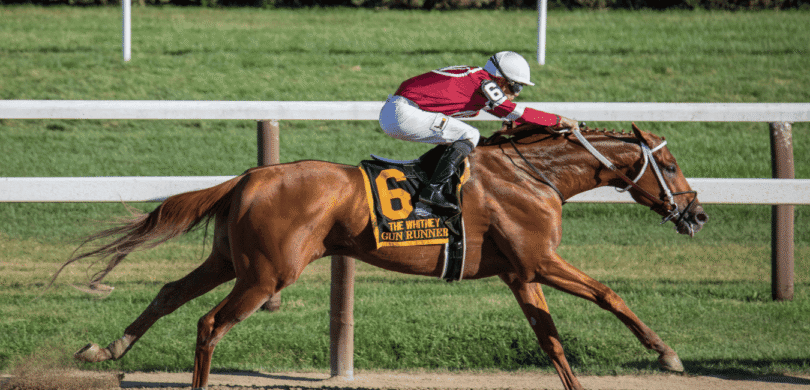

Horse racing betting has been part of the sporting landscape for untold generations. For many fans, the appeal comes from more than simply watching the race unfold. There’s an added level of involvement that comes from studying the field, making selections, and seeing how those decisions play out once the gates open.
For newcomers, the betting side of horse racing can seem more complicated than it really is. While there are different wager types and a variety of factors to consider, understanding a few core principles can make the experience far more approachable and enjoyable.
What Horse Race Betting Involves
At its simplest, horse race betting involves predicting how a race will finish and placing a wager based on that prediction. Bettors select horses and choose a betting option that reflects the outcome they expect.
Every race presents a different set of circumstances. Field size, track conditions, distance, and the quality of the competition can all influence how the race develops. That variety is one reason horse racing remains engaging for both casual fans and experienced bettors.
Unlike some sports where attention stays focused on two competitors, horse racing requires bettors to evaluate an entire field. A single race may feature several horses with realistic chances of winning, which creates opportunities as well as challenges.
The goal is not simply to identify the fastest horse. Successful betting often involves understanding how different factors interact and how those factors might influence the result once the race begins.
Understanding the Most Common Types of Bets
One of the first things new bettors encounter is the variety of available wager types. While the list may appear extensive, most horse racing bets are built around a few core concepts.
Common wager types include:
- Win: The selected horse must finish first.
- Place: The horse must finish first or second.
- Show: The horse must finish in the top three positions.
- Exacta: Predict the first two finishers in the correct order.
- Trifecta: Predict the first three finishers in the correct order.
Win bets remain the most straightforward option because the objective is clear. Place and Show bets offer slightly more flexibility, though payouts are typically smaller because the chances of success are higher.
Exactas and Trifectas introduce additional complexity. The difficulty increases because multiple finishing positions must be predicted accurately. At the same time, potential returns often increase because fewer bettors correctly identify those combinations.
How Odds Work in Horse Racing
Odds serve two primary purposes. They indicate how strongly a horse is favored within the market, and they help determine the potential payout if that horse wins.
A horse listed at lower odds is generally viewed as having a stronger chance of success. Higher odds suggest the horse is considered less likely to win, though that doesn’t mean victory is impossible. Horse racing regularly produces surprises.
Odds also change. As money enters the betting pools, market confidence shifts. A horse attracting significant support may see its odds shorten, while another may drift higher if betting interest declines. These movements can become more noticeable as race time approaches and betting activity increases.
Learning to read odds takes time, though it quickly becomes one of the most useful skills in horse race betting. The odds board provides insight into how the market is evaluating the field and where attention is building before race time. Understanding those signals can help bettors make more informed decisions when comparing potential selections.
The Information Bettors Look At Before a Race
Before placing a wager, most bettors spend time reviewing information about the field. This process helps them build a clearer picture of how the race might unfold.
Recent form is often one of the first areas examined. A horse that has performed well consistently may attract support because it has already demonstrated competitive ability against similar opposition.
Jockeys and trainers also receive attention. Experienced jockeys can influence positioning and race management, while trainers often have established records in certain types of races or conditions.
Track conditions add another layer. Some horses perform better on firm surfaces, while others thrive when conditions become softer. Understanding those preferences helps bettors evaluate whether a horse is likely to perform at its usual level on race day. In light of this, weather forecasts can become an important part of pre-race preparation and analysis.
Common Mistakes Beginners Should Avoid
One of the most common mistakes new bettors make is focusing exclusively on favorites. While favorites win their share of races, lower-priced horses don’t guarantee success, and blindly backing them can become expensive over time.
Another mistake involves betting without understanding the wager itself. A bettor may select an Exacta or Trifecta without fully appreciating how difficult those outcomes can be to predict. Understanding the requirements of each wager is just as important as selecting the horses.
Chasing losses is another challenge. A disappointing result often creates the temptation to increase stake sizes immediately in an attempt to recover money. This approach usually leads to poor decisions because emotion begins to replace analysis. Setting a limit before betting starts can help keep decisions measured.
Avoiding these common errors matters because successful betting is usually built on fundamentals. The most effective horse betting tips often focus on understanding the race, managing expectations, and making informed decisions rather than chasing quick wins. Patience often matters as much as picking the right horse.
A More Rewarding Way to Enjoy the Sport
Understanding the basics of horse race betting creates a more rewarding experience. The races become easier to follow because there is a clearer sense of what influences outcomes and why certain horses attract attention.
That knowledge doesn’t remove uncertainty, and that’s part of the appeal. Horse racing remains unpredictable even for experienced bettors. The difference is that informed decisions create a stronger connection to the sport itself and provide a foundation for enjoyment of all facets of horse racing.
Over time, betting becomes less about chasing results and more about appreciating the strategy, preparation, and competition that make horse racing one of the most enduring forms of sporting entertainment.
