
What are key levels? How can we trade from them? Support and resistance levels can be classed as key levels but there are other forms. What is important and why – it is important to understand where the market closed...
What are key levels? How can we trade from them? Support and resistance levels can be classed as key levels but there are other forms. What is important and why – it is important to understand where the market closed...
What are trendlines? What are Trend Lines and Why are they Important? How do we draw trend lines? Trendlines happen on all time horizons spanning from minutes to hours all the way to weeks. Trend lines are one of the most...
Let’s now look at charting and technical analysis. Next we will look at: Support and Resistance. PLEASE SUPPORT US BY LIKING THIS VIDEO IF YOU FOUND IT USEFUL– What is Support and Resistance and why are they important...
Practicalities and looking at higher timeframes. When day trading and charting it is best to start at higher levels like daily, then you reduce the timeframe to hourly and then drill down to just 15 minute timeframes. You...
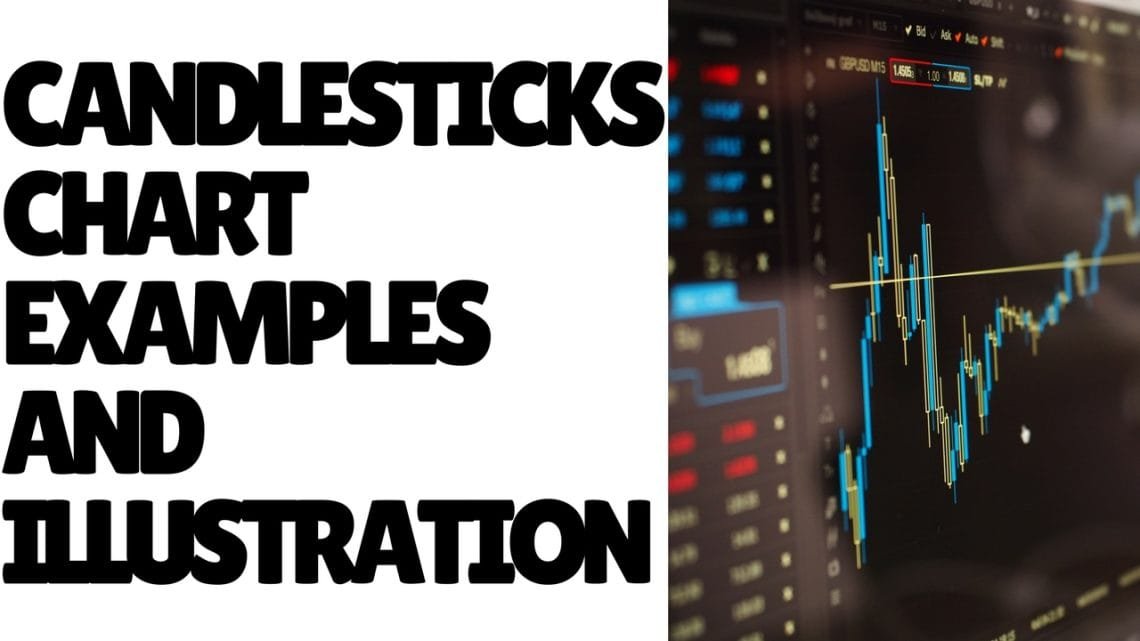
Candlestick Chart Example. This is an example of a candlestick chart – I illustrate how candlesticks work here. We look into daily and hourly candlestick charts Understanding Candlestick Charts Across Timeframes...
Summary 📊 Line vs. Bar and Candlestick Charts Line charts provide only the closing price, which lacks detail for traders. Bar and candlestick charts give much richer data. 🏙️ Bar Charts Anatomy Bars represent daily price...
Summary 📈 Introduction to Charting Charts depict price movements of assets over time, aiding in trading decisions. 📊 Line Charts Basic representation of daily closing prices linked by lines; useful for quick trend visualization...

Summary 📈 Types of Market Conditions Trending: Upward or downward with predictable pullbacks. Range Bound: Stuck between an upper and lower range for extended periods. Choppy: Unpredictable, narrow ranges; challenging for trading...
Summary ⚠️ Key Mistakes to Avoid Trading markets with high spreads relative to daily ranges—limits profit potential. Avoid low-liquidity small-cap stocks and exotic currency pairs with variable spreads. Stick to major markets for...

Summary 🌊 Volatility and Volume Basics High volatility and volume provide significant trading opportunities, allowing traders to buy low and sell high during larger swings. Respect market conditions, as unmanaged risk can lead to...