
Our initial position in GE was taken in two parts, the first just after the evidence of a shakeout at I and the second at J. Our approach to accumulating a position is to make adjustments based on the evidence of the tape. Shares...
Our initial position in GE was taken in two parts, the first just after the evidence of a shakeout at I and the second at J. Our approach to accumulating a position is to make adjustments based on the evidence of the tape. Shares...
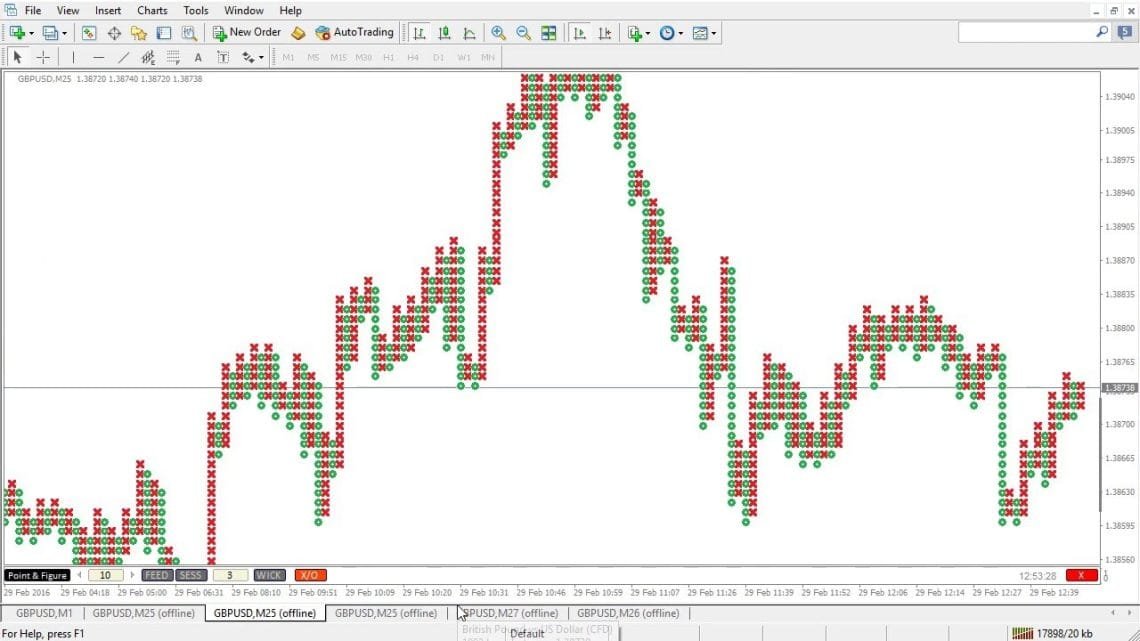
The point & figure chart below gives us some sense of the near-term rally objective we may expect for GE. Because of the low price of GE, a one-half point chart is used. The vertical drop from 15 1/2 to 10 (A) frames the...
Volume on the decline to F is light, a good sign. Sellers are not aggressively pursuing the price down. After the test at F, the stock rallies on moderate volume and widening spread. We are encouraged by this action, and now...

The shakeout was a tactic often employed by trading pools. Harriman, in particular, favored the shakeout as a device for forcing traders to part with shares cheaply. His method was to first gather in all the ready supply within a...
The selling climax at point A in the chart below is typical; volume increases dramatically as the spread from high to low widens. Such action indicates that panicky sellers are getting out at any price. With prices at immediate...

The Art of Buying These days, investors rarely form together into groups for the purpose of manipulating stock prices. Nevertheless, the aggregate operations of independent buyers and sellers are in many ways indistinguishable...
The bar chart has two elements: 1) the price bar, including high, low and closing price; and 2) the volume bar. Most commonly, daily high, low, close and volume data are used to make bar charts. But any period may be used. Weekly...
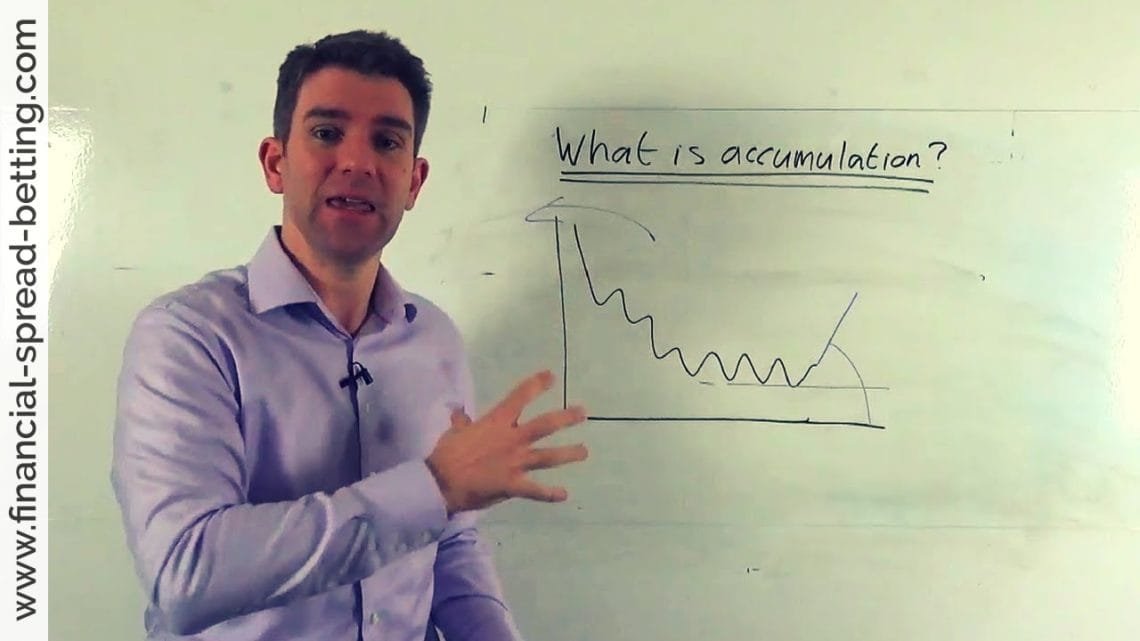
When stocks are low in their cycle, shares move from weak hands to strong hands. Strong hands are accumulating shares; weak hands are still liquidating losing positions. This suggests that the buy-sell cycle of strong hands (SH)...
In the bad old days, before the SEC policed stock manipulation, investment pools were formed for the purpose of conducting campaigns in selected stocks. Pool managers of the day were well-known speculators, and included the likes...
This course will show you how to form profitable judgements from price and volume data published by major stock and commodity exchanges. Price-volume data have advantages over other sorts of information available to traders...