
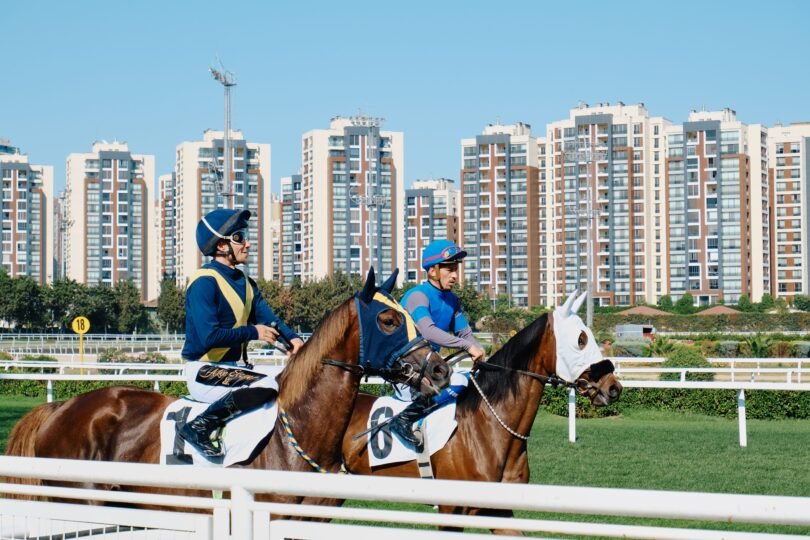

Santa Anita Park gives horse racing bettors a varied handicapping puzzle. Dirt sprints, turf routes, claiming races, maiden events, and stakes contests can all appear across a meeting. The 2026 Autumn Meet runs from September 25 through November 1 and features 26 stakes, creating plenty of different race conditions to evaluate.
Picks become more useful when bettors understand the information behind them rather than simply focusing on the selected horse. Form, surface, distance, pace, connections, and late changes all add context. Reviewing these five factors provides a clearer way to assess selections before a Santa Anita race.
1. Start With Recent Form
A horse’s recent performances provide a useful starting point because they show how it has been competing under current conditions. Bettors reviewing Santa Anita picks can compare recent starts while paying attention to finishing position, distance, surface, class level, and the circumstances surrounding each performance.
Finishing position alone does not tell the complete story. A horse might have faced stronger competition, changed surfaces, or competed at a distance that did not match its previous schedule. Current Santa Anita cards include everything from maiden and claiming races to allowances and stakes, so context matters when comparing past results.
Useful details to compare include:
- Recent distances and surfaces,
- Changes in race classification,
- Consistency across recent starts,
- Performances under similar conditions.
Looking at those details together provides a fuller picture than relying on one previous result. It also helps bettors understand why a particular selection appears prominently in a set of picks.
2. Match Surface and Distance
Santa Anita cards require bettors to distinguish between performances on different surfaces and at different distances. The October 10, 2026 card, for example, includes six-furlong turf races, seven-furlong dirt contests, a one-mile turf race, and the California Flag Handicap over the downhill turf course.
That variety makes previous experience relevant. A strong recent performance at one mile on turf does not provide exactly the same evidence as a six-furlong dirt effort. Bettors can examine whether a selection has previously competed under conditions resembling the upcoming assignment.
Three details deserve particular attention:
- Surface: Compare dirt and turf experience.
- Distance: Check performances over similar race lengths.
- Course configuration: Note when a race uses Santa Anita’s downhill turf layout.
These comparisons add important context to published selections. Rather than treating every recent performance equally, bettors can focus on the races that most closely resemble the conditions the horse will encounter next.
3. Consider the Expected Pace
Pace adds another layer to a race because horses can approach the early stages differently depending on their established running patterns.
Early Position
Some horses tend to race close to the early leaders, while others produce their strongest running later. Bettors can compare previous performances to identify these tendencies before considering how the field might develop.
Field size also belongs in that assessment. Santa Anita’s October 10 card includes fields ranging from five runners in a seven-furlong maiden event to 13 in a six-furlong claiming race, creating different tactical situations.
Race Shape
The number of horses with similar running patterns helps bettors build a possible picture of the race. Several runners seeking prominent early positions could produce a different setup from a field containing only one obvious early leader.
Pace analysis is therefore most useful when combined with form and race conditions. It provides another way to examine whether the reasoning behind a selection fits the particular field being considered.
4. Check Jockeys and Trainers
Jockey and trainer information adds another useful dimension because both are directly connected to a horse’s current campaign. Official entries identify each runner’s jockey and trainer, allowing bettors to compare current combinations with the horse’s previous starts and broader recent activity.
Santa Anita’s 2026 Autumn Meet also includes horses arriving from outside California. The track’s Ship & Win program offers incentives for eligible horses shipping into the circuit, meaning bettors may encounter runners bringing form from different tracks and racing environments.
When evaluating the connections behind a pick, bettors can consider:
- The horse’s recent record for its current trainer,
- Previous appearances with the assigned jockey,
- Recent activity from the trainer at Santa Anita,
- Whether the runner is arriving from another racing circuit.
Connections should complement rather than replace analysis of the horse itself. Used alongside form, distance, and surface information, they provide additional context for understanding a published selection.
5. Review the Final Race Information
A handicapper’s work does not necessarily end when the initial picks are published. Race information can change closer to post time, so bettors benefit from reviewing the current field before using an earlier analysis as their reference point.
Scratches deserve particular attention because removing one runner changes the composition of the field. That change could also alter how bettors interpret the expected pace, especially when the scratched horse was expected to occupy a prominent early position. Updated entries therefore provide important context for earlier selections.
Bettors can also confirm the final distance, surface, field size, jockey assignments, and race conditions. Equibase race cards display details such as post position, jockey, trainer, weight, claiming conditions, and scheduled post time, making them useful for a final comparison.
This final review connects the earlier handicapping work with the latest available information. It also makes it easier to determine whether the original reasoning behind a pick still matches the race as currently presented.
Build a Clearer View of Each Race
Santa Anita picks provide a starting point, but their value becomes clearer when bettors examine the reasoning behind each selection. Recent form, surface and distance suitability, expected pace, and connections each reveal a different part of the racing picture.
A final check of current race information completes that process. With Santa Anita’s 2026 Autumn Meet featuring a varied schedule of everyday races and stakes events, evaluating picks within the specific conditions of each contest creates a more informed approach to following the action. A thoughtful review also helps bettors compare selections more consistently and recognize which details deserve the most attention before each race.
