
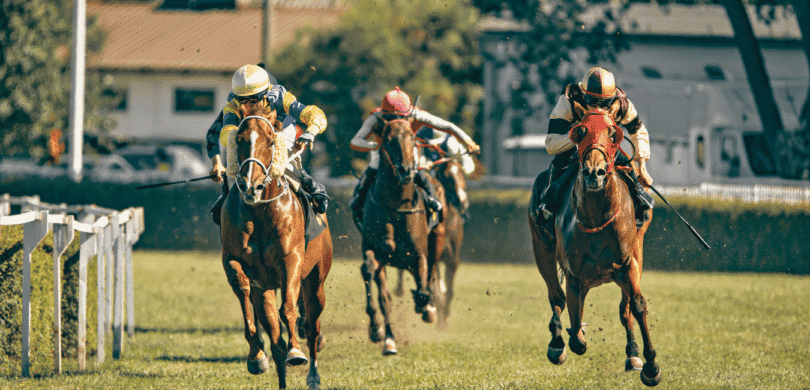

The 2026 Preakness Stakes presents a unique scenario for horse racing enthusiasts, as the race will take place at Laurel Park while Pimlico undergoes renovations. As always, the final field will only be confirmed closer to race day, leaving early projections open to change.
This transitional period creates an evolving betting landscape shaped by prep races, training updates, and Triple Crown developments.
Understanding how the odds take form and shift offers valuable insight into how contenders are being evaluated as the second leg of the Triple Crown approaches in Maryland this year.
How Early Preakness Odds Are Formed
Early Preakness odds begin to form well before the field is finalized, driven by a combination of Kentucky Derby qualifying races, trainer intentions, and future wagering markets. Oddsmakers rely heavily on recent performances in major prep events such as the Arkansas Derby, Florida Derby, and Santa Anita Derby to identify early contenders. These races provide measurable data points that influence how horses are initially priced.
Trainer announcements also play a critical role during this stage. When connections signal plans to target the Preakness, oddsmakers adjust accordingly, factoring in both readiness and historical performance trends. Horses that show consistency in graded stakes competition typically receive shorter early prices.
At this point in the season, uncertainty still lingers, and subtle shifts in form can quickly reshape expectations. Track conditions, evolving fitness levels, and even travel decisions may influence how contenders are viewed. As a result, early pricing remains fluid, offering insight into sentiment while leaving plenty of room for adjustment ahead of final declarations.
Monitoring the current Preakness odds at this stage reveals more about perception than certainty. These numbers reflect how the market is reacting to available information rather than predicting a fixed outcome. For racing enthusiasts, early odds movements provide a window into how the field may develop as new information emerges.
The Kentucky Derby’s Direct Impact on Preakness Odds
The Kentucky Derby serves as the single most influential factor shaping the Preakness odds landscape. Immediately following the Derby, oddsmakers reassess the field based on finishing positions, margins, and overall race dynamics. The winner typically experiences a sharp contraction in odds, reflecting heightened expectations for a potential Triple Crown bid.
Horses that finish strongly, even without winning, often see their odds improve as well. A late-closing performance or a wide trip can signal untapped potential, prompting adjustments across the board. Conversely, underperformers may drift to longer prices depending on how their race unfolds.
Pace scenarios from the Derby also carry significant weight. A fast early pace that compromises frontrunners may lead analysts to reassess those horses more favorably for the Preakness. This immediate recalibration demonstrates how one race can reshape the narrative and influence projections within a matter of days.
Tracking New Shooter Entries and Their Odds Impact
“New shooters” consistently play a pivotal role in shaping the Preakness odds board. These are horses that bypass the Kentucky Derby and enter the Preakness fresh, often coming off targeted prep races. Their presence introduces new variables that can disrupt established expectations.
Because these horses haven’t faced Derby competition, pricing them accurately becomes more complex. Oddsmakers must weigh their recent form against the unknown factor of how they’ll perform against battle-tested rivals. This uncertainty often leads to a wide range of opening odds.
Recent trends show that fresh entrants can be highly competitive, particularly when they bring strong speed figures or dominant prep-race performances. Their freshness may provide an advantage in a race that comes just two weeks after the Derby. As a result, their inclusion often leads to subtle yet meaningful shifts across the odds board.
Key Workout and Training Reports That Move Odds
In the two weeks between the Kentucky Derby and the Preakness, workout reports and training updates become critical drivers of odds movement. Horses returning from the Derby are closely monitored for signs of recovery, while new shooters use this period to fine-tune their readiness.
Strong workout times can generate increased attention, especially when accompanied by positive trainer commentary. Reports indicating sharp gallops or improved conditioning often lead to shorter odds as confidence builds around a horse’s preparation. Conversely, missed workouts or cautious updates can lead to drifting prices.
Veterinary checks and official declarations also shape perceptions. Any indication of physical concerns can quickly influence the market. For enthusiasts tracking these developments, following credible racing outlets and official track reports provides essential context for understanding why odds are shifting during this crucial window.
Reading the Final Odds Board Before Preakness Day
As race day approaches, the final Preakness odds board reflects all available information. Late betting activity, public sentiment, and professional wagering all contribute to the closing prices that define each horse’s position in the market.
Significant late shifts often indicate changing confidence levels. A horse attracting steady support may see its odds shorten, while others drift if interest declines. These movements are shaped not only by recent performances but also by broader narratives that develop throughout the Triple Crown season.
Interpreting the final board requires synthesizing earlier insights, including Derby results, workout reports, and the impact of new entrants. When viewed together, these elements provide a clearer picture of how the field is perceived, revealing which horses carry genuine market confidence versus speculative interest.
The closing odds ultimately reflect collective expectations heading into one of racing’s most anticipated events. Late money movements often signal sharp bettor conviction, while stable prices indicate consensus around favorites as post time approaches.
The Evolving 2026 Preakness Landscape
The 2026 Preakness Stakes offers a dynamic and evolving picture as contenders emerge and narratives take shape. With the race temporarily hosted at Laurel Park and the final field still to be confirmed, the odds will continue to shift as new information becomes available.
From early projections to post-Derby adjustments and final betting movements, each stage contributes to a deeper understanding of the field.
For horse racing enthusiasts, following these developments provides valuable context around how contenders are being evaluated. As race day approaches, the combination of performance data, training insights, and market sentiment will define the final outlook for this year’s Preakness Stakes.
