

Stock Swap
The alternative to taking a protective put when you have a winning stock position is called a stock swap. In this case, you sell your stocks for a profit, but also buy a call option for the same number of shares at the same price. If the price falls back, you have avoided losing the profit that the shares made. If the price keeps on climbing, then you have the option available to profit by any additional increase.
What you have done is lock in your stock profit against any retracement, while still benefiting from any further uptrend. This move hedges your position, and the price you pay is the cost of the option. If prices go up, you would have received more profit by holding onto the shares, but you’re protected against losses.
If prices continue to climb, you can even lock in more profit by selling your call to close and buying a call for the higher price. This is a vertical spread, and you would receive the majority of the difference in the two strike prices. In other words, you would not profit as much as staying in the stock, but you have taken insurance against any decline in price from the new higher level.
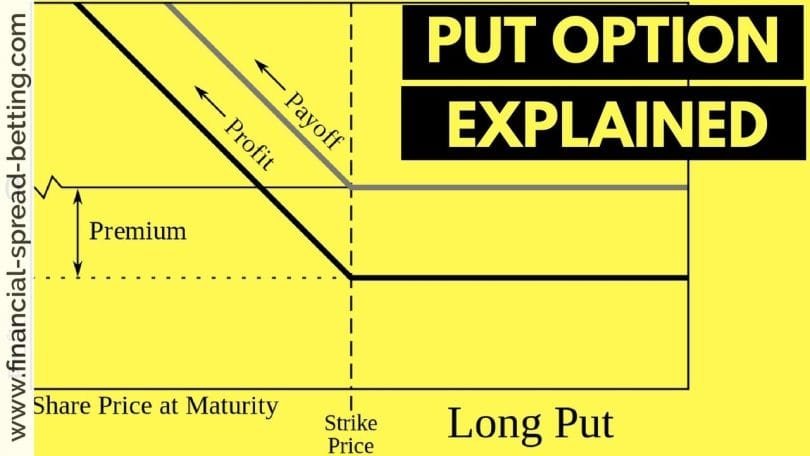
Long Put
This is a simple bearish option, and is an alternative to shorting stock. You may also see it referred to as buying a put. When you short stock, you have an unlimited downside if the stock increases in value, but the downside to a long put is limited to the cost of the option. By using the put option, you need the stock to fall by the cost of the option to breakeven, but anything after that is profit — and you’re protected against an increase in price.
What would be the reason for using a long put rather than simply shorting a stock? Well, for one thing, the risk is limited to the premium that you pay for the put. If it never comes into profit, then all you can lose is the price of the option. Therefore it may be a better bet if you’re bearish on the underlying financial security, but are concerned that some good news may make the price increase rapidly giving you unlimited losses if you have taken up a conventional short position. The maximum profit you can achieve is the strike price less the premium, which is when the stock goes to zero, and this compares favourably with the profit that you would receive from a winning short position.
There are three outcomes to buying a put. The put could be sold, either for a profit or a loss, before expiration. If it is in the money, you can exercise it at any time before it expires. The third alternative is that the put can expire worthless.
