
Sooner or later, any trend will end up reversing direction. As a spread trader, you need to be able to spot the signs of a trend that’s running out of steam. If you’ve been riding that trend, it is an obvious time to quit while...
Sooner or later, any trend will end up reversing direction. As a spread trader, you need to be able to spot the signs of a trend that’s running out of steam. If you’ve been riding that trend, it is an obvious time to quit while...
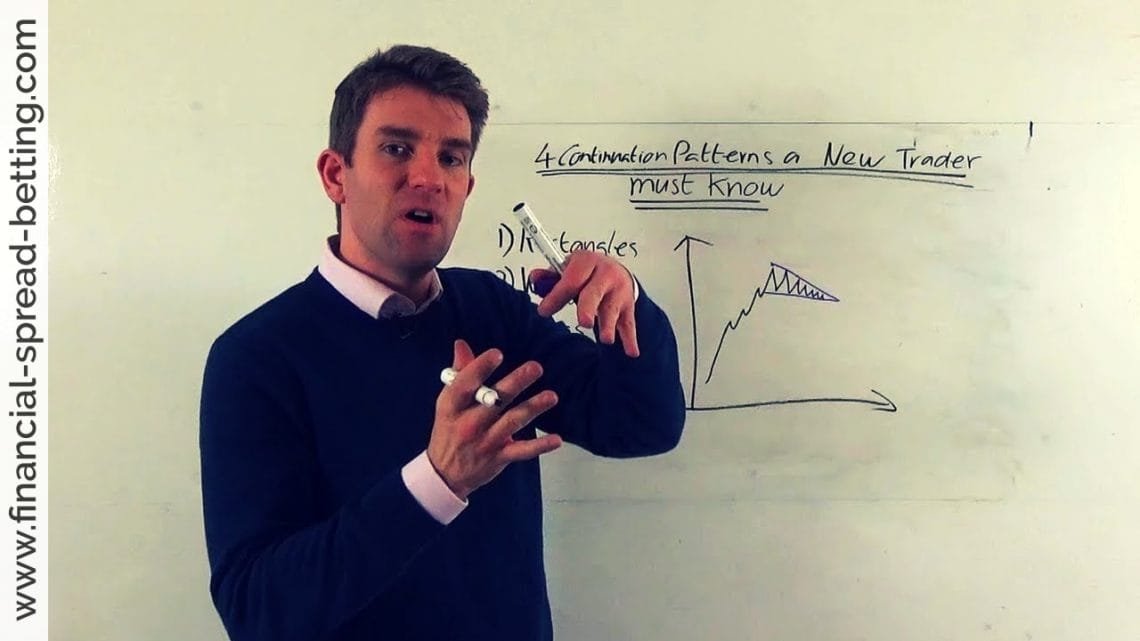
Module 4 – Reversal and Continuation Patterns Introduction So far, we have looked at some of the basic theories behind technical analysis and the way prices move on charts; we’ve also discussed support and resistance and...
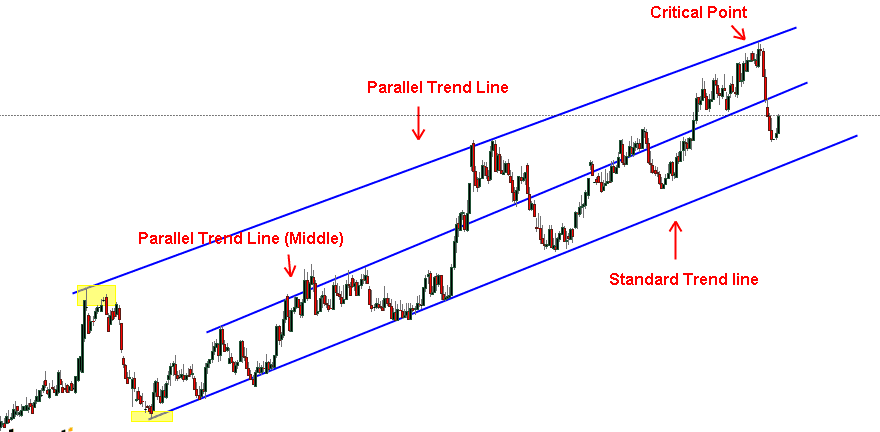
To complete our discussion on lines for the moment, you should know that some analysts develop a good eye for drawing internal trendlines. These are not like regular trendlines, which can be drawn by anyone following the simple...

Yet another way to draw lines on a chart which may prove to be useful, speedlines is a technique developed by Gould. It uses one-third and two-thirds as ratios again, but in this case the fractions are not applied to the...
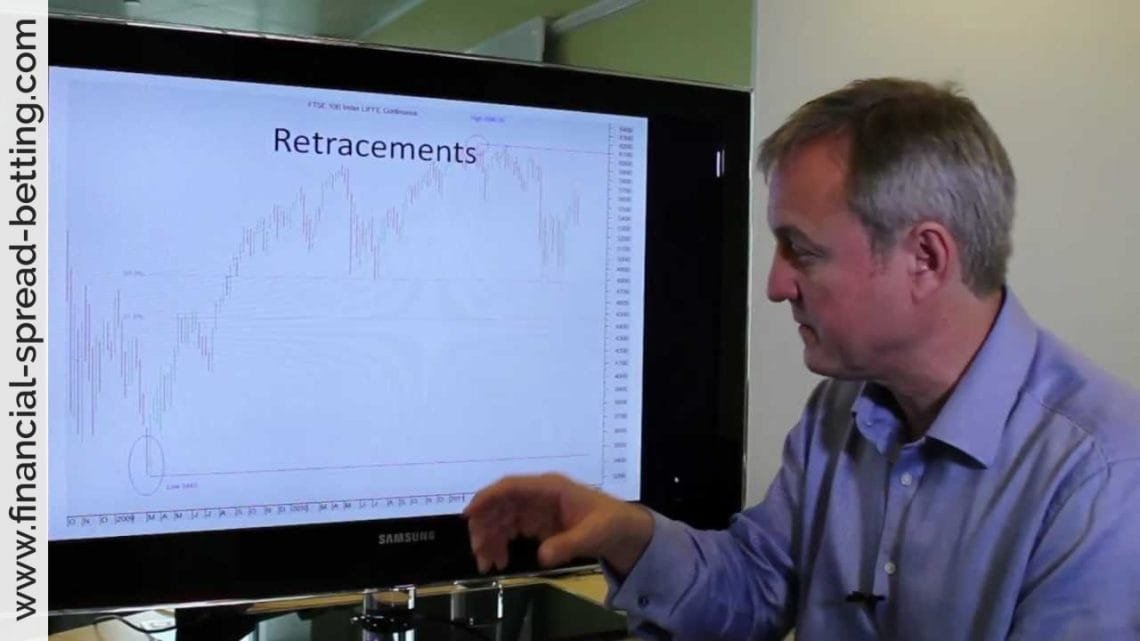
Time to talk some more about price targets. It’s obviously useful if you have an idea in mind about how far the price is going to go on a retracement before resuming a trend. The retracement is a countertrend movement...
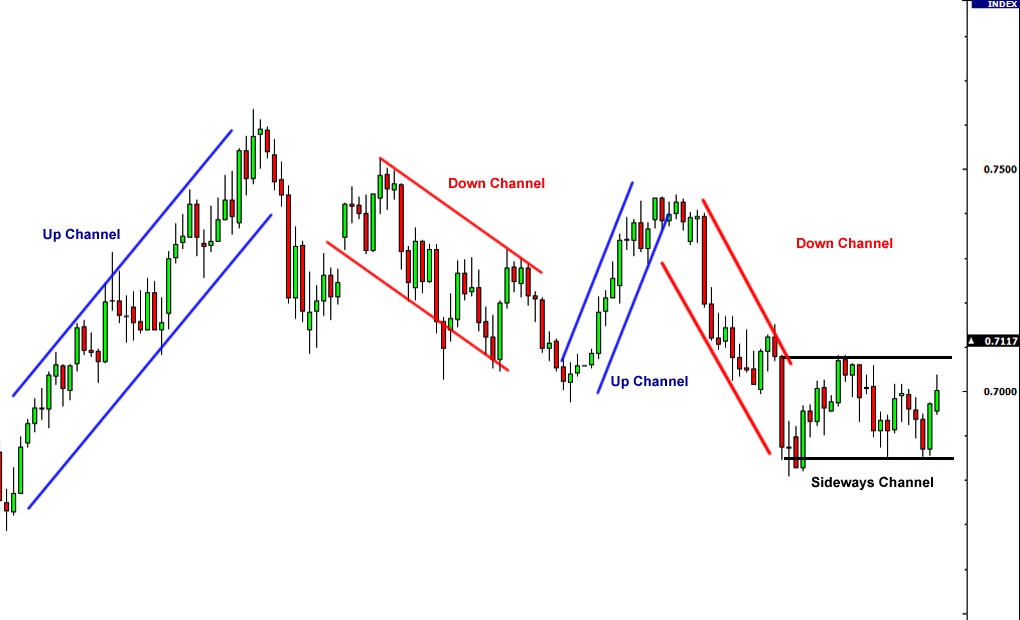
Drawing two lines upon a chart across past highs and lows can help you decide your next trade. This is another idea that develops out of the trendline concept and is referred to as the channel line, sometimes called the return...

The Trendline Fan To elaborate further on the use of the trendline, sometimes it is possible to draw several trend lines creating the appearance of a fan. When the first trendline has been violated, and in an uptrend has become a...
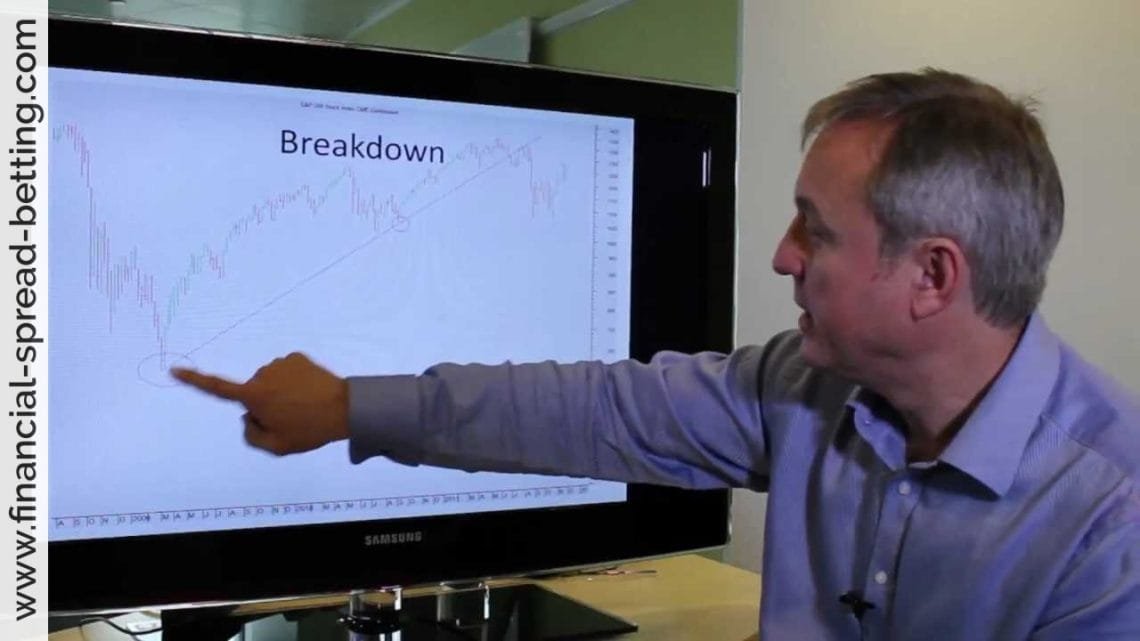
Breaking the Line Nothing lasts for ever, so if you have a valid trendline and the price violates it, breaking through, this can provide the first sign that the trend is changing. Here’s an uptrend where the trendline has...
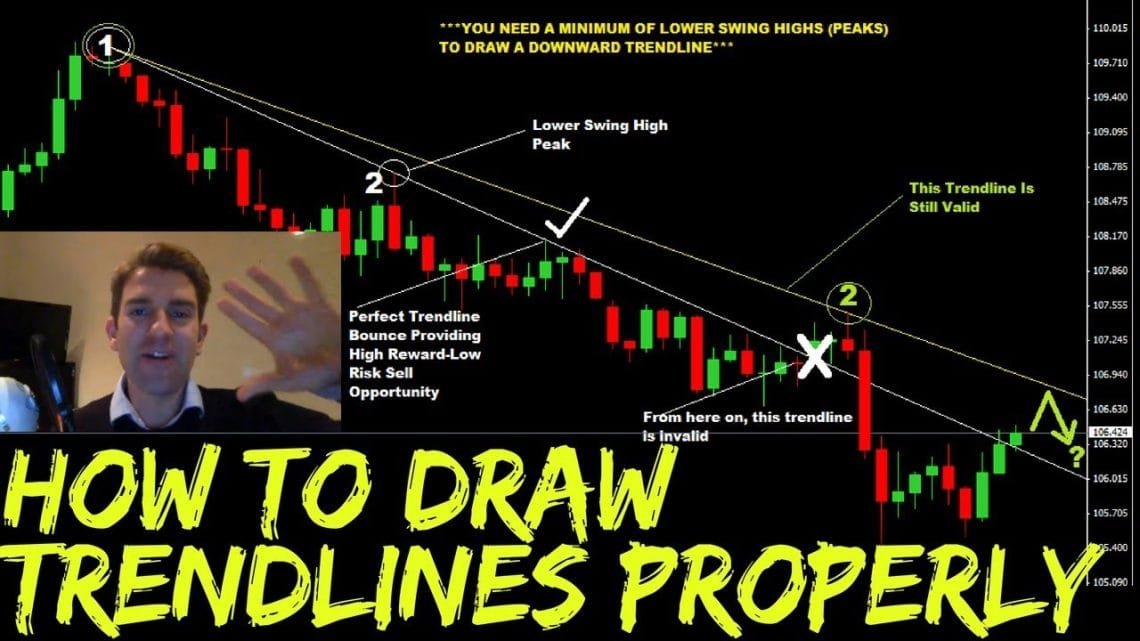
Strength of the Line Just as with support and resistance, there are various ways that you can gauge how “strong” the line is, or in other words how likely it is to hold up in the future. Once again, as with support...
Now we go back to the idea of drawing an angled line on the chart. There are many different ways of doing this and we cover several in this module. As with all technical analysis, there is no one universal right way that will...